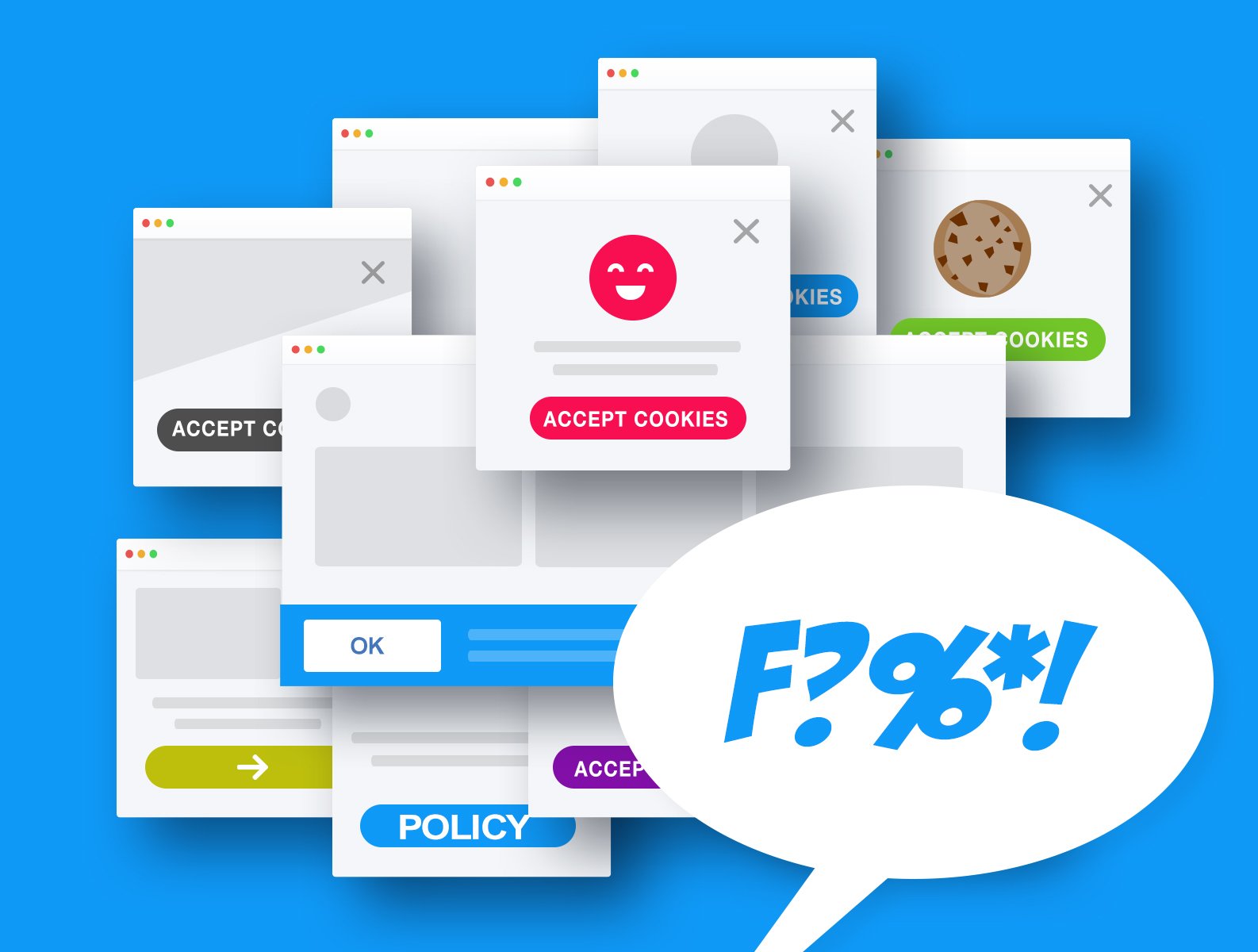
Ask any internet user how they feel about pop-ups? You will most likely recognize some new curses. And yet, many sites still use them to promote their marketing messages. What for?
The fact is that pop-ups are the least favorite form of online advertising, but they still work.
Yes, really … Pop-ups work because they grab attention and position a message or a call to subscribe above other distractions.
But it does not matter. We still hate pop-ups.
As users, we hate them because they get in our way. As designers and developers, we love to be asked to include them on a site because in many cases they make it difficult to create accessible and delightful websites.
While they can improve conversions, they don’t improve the engagement with your followers. And even those that only appear when the user leaves the page (“exit-intent” pop-ups) still cause backlash.
If you must use pop-ups, use them responsibly
Whatever the reasons for using pop-ups, remember that they are intrusive. Before launching it, consider whether users find the popup annoying or helpful.
If you must use the popup, either by necessity or by direct order, use it wisely.
Make sure your users can get what they came for
Don’t let your tooltips hide too much content.
Don’t make it difficult to close the window. Don’t hide the cross.
Save popups for correct cases
Run pop-up ads tactfully and sparingly. Use them as a gentle reminder of useful information, not arrogance.
Consider, do users really need to see your ad every time they visit your site? What are the real reasons to bother people?
The excess of pop-ups in the user interface is not only annoying, it teaches visitors over time to ignore what you have to say.
Assess where your users will be before they see your ad. If you attract subscribers to an email newsletter, then immediately after the first visit, most likely your offer to subscribe will not generate interest.
It is advisable that they have the opportunity to familiarize themselves with your content before they see a pop-up window asking them to leave their email.